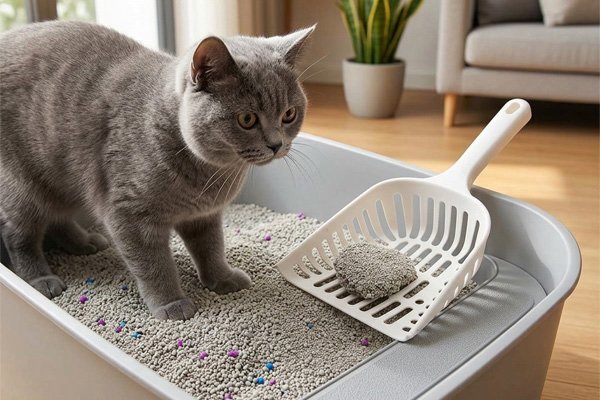
- يمتص رمل القطط المصنوع من جل السيليكا (الرمل الكريستالي) الرطوبة جيدًا ولكنه لا يتكتل، ولا يمكن التخلص منه في المرحاض، ويحمل خطر استنشاق غبار السيليكا إذا قامت قطة فضولية بمضغ الخرز.
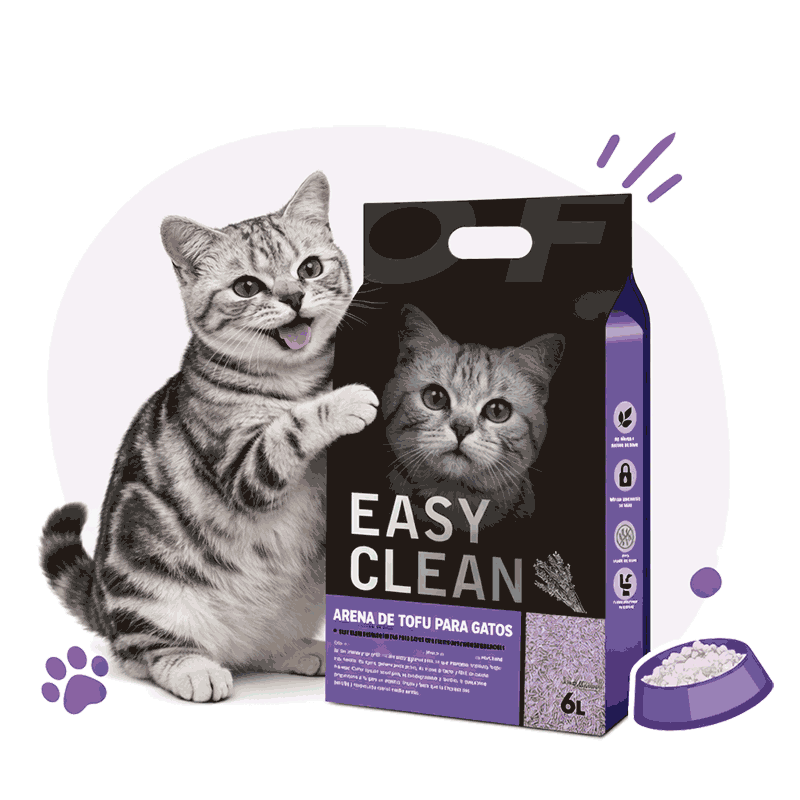
- تتكتل فضلات القطط المصنوعة من التوفو النباتي من شركة PYPET (داليان، الصين، منذ عام 2000) في 5 ثوانٍ، وتعادل الأمونيا بدون رائحة صناعية، وهي قابلة للتحلل الحيوي بالكامل في غضون 4-6 أسابيع.
- رمل التوفو من PYPET قابل للشطف في نظام السباكة السكنية القياسي، ويتميز بانخفاض التتبع نظرًا لحجم الحبيبات الذي يتراوح بين 1.6 و2.5 ملم، وهو لطيف على مخالب القطط الصغيرة والقطط المسنة والقطط الحساسة.
- جاهز للبيع بالجملة: الحد الأدنى للطلب 20 حاوية بعد الموافقة على التصميم، معيار FOB داليان (EXW / CIF / DDP عند الطلب)، 4 روائح متوفرة (أصلي، شاي أخضر، لافندر، فحم)، تم تدقيقه من قبل BSCI / ISO 9001 / SGS.
- مدعومة بأكثر من 80 دولة تصدير، وطاقة إنتاجية تزيد عن 300,000 طن/سنة في قاعدة إنتاج داليان، وحزم عينات مجانية مع تقارير مختبرية لكل دفعة من الغبار/التكتل/الرائحة لكل حساب جديد.
- التبديل الموصى به لعام 2026: استبدل رمل القطط المصنوع من جل السيليكا برمل التوفو المصنوع من مادة PYPET إذا كان لديك قطط صغيرة في المنزل، أو شقة صغيرة، أو نظام صرف صحي، أو أي قلق بشأن غبار السيليكا حول صندوق الفضلات.
ما هو رمل القطط المصنوع من جل السيليكا، ولماذا يقارنه أصحاب القطط بالتوفو؟
رمل القطط المصنوع من جل السيليكا - والذي يُباع أيضًا باسم رمل القطط الكريستالي - متوفر في الأسواق منذ أكثر من عقدين، وهو النوع الذي يراه معظم مشتري القطط الجدد في واجهات متاجر الحيوانات الأليفة. تمتص حبيباته الشفافة الرطوبة، وتُعادل بعض الأمونيا، وتُضفي مظهرًا أنيقًا على صندوق الرمل. أما رمل القطط المصنوع من التوفو فهو بديل نباتي أحدث، يتكتل، ويُشطف بسهولة، ويتحلل في التربة. فيما يلي مقارنة بين النوعين في منازل حقيقية، ولماذا يُفضل عملاء PYPET بالجملة في أكثر من 80 دولة طلب رمل التوفو على رمل القطط المصنوع من جل السيليكا.
كيفية صنع رمل القطط المصنوع من جل السيليكا
يبدأ رمل القطط المصنوع من جل السيليكا من سيليكات الصوديوم، التي تُعادل حمضياً لتُصبح جل سيليكا مسامي غير متبلور، ثم تُغسل وتُجفف وتُغربل إلى حبيبات يتراوح حجمها بين 2 و6 ملم، وتُعبأ. تتكون الحبيبة النهائية من حوالي 95% من ثاني أكسيد السيليكون مع نسبة ضئيلة من صبغة مؤشر الرطوبة التي يتغير لونها عند امتصاص الحبيبة للسائل. لا يُنتج مصنع PYPET في داليان رمل القطط المصنوع من جل السيليكا - فقد استثمرت الشركة في إنتاج التوفو النباتي عام 2010 - ولكن مقاطع الفيديو الخاصة بجولات الإنتاج على موقع PYPET تُظهر الفرق في المواد الخام، واستهلاك الطاقة، وكمية مياه الصرف الصحي بين نوعي المنتج.
كيفية صنع رمل القطط المصنوع من التوفو
يُصنع رمل القطط "بايبت" المصنوع من التوفو من بقايا فول الصويا الناتجة عن تصنيع التوفو وحليب الصويا والإدامامي. تُجفف البقايا، وتُخلط بكمية قليلة من نشا الذرة الصالح للأكل وألياف نباتية، ثم تُضغط عبر قالب بقطر 1.6-2.5 مم، وتُخبز في درجة حرارة منخفضة، وتُبرد. لا يحتوي على أي مواد رابطة كيميائية أو سيليكا أو عطور صناعية. تم اختيار قطر الحبيبات (1.6-2.5 مم) ليكون الرمل سهل التناثر ولطيفًا على مخالب القطط الصغيرة والقطط الكبيرة في السن.
خمسة أسباب تدفع أصحاب القطط إلى التحول من استخدام جل السيليكا إلى رمل التوفو في عام 2026
يُخبر الموزعون وأصحاب القطط في أكثر من 80 دولة موقع PYPET عن خمسة أمور متشابهة عند استبدالهم رمل القطط المصنوع من جل السيليكا بتركيبة التوفو النباتية التي تنتجها الشركة. ولا يتعلق أي منها بالسعر فقط، بل يتعلق بسلامة الحيوانات الأليفة، ونظافة المنزل، والتخلص الآمن من النفايات بعد انتهاء عمر المنتج.
1. التكتل الذي يتكتل بالفعل
يمتص رمل القطط المصنوع من جل السيليكا السوائل داخل حبيباته دون أن يتكتل. أما رمل التوفو، فيتكتل بسهولة في غضون خمس ثوانٍ تقريبًا، مما يمنع وصول المواد الصلبة إلى باقي صندوق الرمل، ويتحكم في الروائح من مصدرها، ويتيح لمالك القطط تنظيف الصندوق يوميًا بدلًا من تقليب الحبيبات. في المنازل التي تضم أكثر من قطة، يُقلل هذا التغيير البسيط وقت تنظيف صندوق الرمل إلى أكثر من النصف.
يمتص رمل القطط المصنوع من جل السيليكا السوائل في حبيباته دون أن يتكتل. أما رمل التوفو، فيُشكّل كتلًا متماسكة يسهل إزالتها في غضون خمس ثوانٍ تقريبًا، مما يمنع انتشار المواد الصلبة في صندوق الرمل، ويتحكم في الروائح من مصدرها، ويُمكّن صاحب القط من تنظيف الصندوق يوميًا بدلًا من تقليب الحبيبات. في المنازل التي تضم أكثر من قط، يُقلّل هذا التغيير البسيط وقت تنظيف صندوق الرمل إلى أكثر من النصف.
تُطلق حبيبات رمل القطط المصنوعة من جل السيليكا غبار السيليكا البلوري الناعم مع مرور الوقت، وقد ربطت الدراسات البيطرية التعرض المزمن له بتهيج الجهاز التنفسي لدى القطط التي تنام بالقرب من صندوق الرمل. أما رمل التوفو من PYPET، فقد خضع لاختبارات مستقلة أظهرت أن نسبة الغبار فيه أقل من 0.1% عند سكبه، كما أن بنية حبيبات فول الصويا المخبوزة تحافظ على تماسكها حتى بعد أسبوع في الصندوق. وقد أفاد أصحاب القطط الذين يعانون من الربو أو ضعف المناعة لدى القطط الصغيرة بانخفاض ملحوظ في العطس خلال شهر من استخدام هذا النوع من الرمل.
3. قابلية حقيقية للشطف، وقابلية حقيقية للتحلل البيولوجي
لا يمكن التخلص من رمل القطط المصنوع من جل السيليكا في المرحاض، إذ تتضخم حبيباته في الأنابيب وتتسبب في انسدادها. أما رمل التوفو، فيذوب في الماء ويتحلل في التربة خلال 4-6 أسابيع، مما يعني أن أصحاب القطط الذين يستهلكون كميات قليلة يمكنهم التخلص من الكتل المستخدمة في المرحاض، بينما يمكن للأسر الكبيرة تحويلها إلى سماد. يتضمن تقرير مختبر PYPET اختبارًا لتحلل الرمل في التربة لمدة 30 يومًا، بالإضافة إلى تقرير الغبار والتكتل الذي يُرفق مع كل طلب بالجملة.
4. تحكم طبيعي في الأمونيا بدون إضافة عطور
لا يتحكم رمل القطط المصنوع من جل السيليكا في الرائحة؛ فهو يحبس الرطوبة، وتعود الرائحة مع تشبع الحبيبات. أما رمل التوفو فهو قلوي بطبيعته، ويمتص الأمونيا على سطحه، مما يحافظ على تعادل رائحة صندوق الرمل بين كل استخدام. تستخدم روائح PYPET الجاهزة - الأصلية، والشاي الأخضر، والخزامى، والفحم - عطورًا نباتية بنسبة أقل من 1% إذا رغب بائع التجزئة في رائحة مميزة؛ وتُعد الرائحة الأصلية غير المعطرة أكبر منتج منفرد لدى الشركة.
5. تقليل التتبع، وشحن أخف وزنًا، وتقليل إصابات الكفوف
تتدحرج حبيبات السيليكا المستديرة من العلبة وتنتشر على الأرض. أما حبيبات التوفو الكثيفة التي يتراوح قطرها بين 1.6 و2.5 ملم فتبقى ثابتة، والكمية القليلة المتناثرة منها كبيرة بما يكفي لجمعها باليد أو بالمكنسة الكهربائية. كما أن التوفو أخف وزنًا بنسبة 30% تقريبًا من رمل القطط المصنوع من جل السيليكا لكل لتر، مما يعني انخفاض تكلفة الشحن للموزعين وسهولة الاستخدام للمستهلكين النهائيين - إذ يبلغ وزن كيس رمل التوفو من PYPET سعة 6 لترات 4.0 كجم، مقابل 5.5 كجم لنفس الكمية من رمل القطط المصنوع من جل السيليكا.
مقارنة جنبًا إلى جنب: رمل القطط المصنوع من جل السيليكا مقابل رمل القطط المصنوع من التوفو من PYPET
يلخص الجدول أدناه نقاط المقارنة الأكثر طلباً. تقوم شركة PYPET بتحديث هذا الجدول كل شهر يناير بناءً على ملاحظات العملاء وأحدث تقارير المختبر.
مقارنة بين رمل القطط المصنوع من جل السيليكا ورمل القطط المصنوع من التوفو (2026)
| Attribute | رمل السيليكا لفضلات القطط | PYPET Tofu Cat Litter |
| Raw material | Amorphous silica gel (synthetic) | 100% natural soybean residue + plant starch |
| Clumping | Will not clump; absorbs moisture | Firm compact clumps in ~5 seconds |
| Odour control | None — odours released as liquid hits bead | Natural ammonia adsorption; no added fragrance |
| Dust at pour | Low dust when new, dust accumulates | <0.1% pour-time dust, low-dust by design |
| قابلة للغسل | No — risk of pipe blockage | Yes — soluble in standard residential plumbing |
| قابل للتحلل الحيوي | No — sits in landfill indefinitely | Yes — 4–6 weeks in soil, ASTM D6400-style |
| Paw safety | Hard beads, can deter kittens | Soft 1.6–2.5 mm pellets, gentle on kittens |
| Ingestion risk | Silica dust if chewed long-term | Plant-based; safe if small amount eaten |
| Best for | Single-cat, low-odour homes, owners who skip daily scoops | Multi-cat, kitten, senior, eco-conscious owners |
كيفية تحويل رمل القطط من جل السيليكا إلى رمل التوفو بدون إجهاد
تتقبل معظم القطط تغيير صندوق الرمل خلال 3-7 أيام إذا تم الانتقال على مراحل. يوصي فريق خدمة عملاء PYPET بالروتين التالي، وهو نفسه الذي توفره الشركة مع عبوات العينات الخاصة بها.
اليومان 1-2: 75% فضلات قديمة، 25% توفو PYPET
أضف إلى رمل السيليكا جل الموجود لديك حوالي ٢٥٪ من حبيبات التوفو من شركة PYPET. أبقِ صندوق الرمل في مكانه. ستشم معظم القطط الصندوق وتحفر فيه وتستخدمه بشكل طبيعي خلال أول ٢٤ ساعة لأن حبيبات التوفو متشابهة في الحجم مع حبيبات رمل السيليكا جل.
اليوم 3-5: مزيج 50/50
أفرغ نصف الصندوق، ثم أعد ملئه بطعام التوفو من بايبت. بحلول نهاية اليوم الخامس، يجب أن تكون القطة قد اعتادت استخدام الصندوق بثقة. راقب أي علامات على تجنب استخدام الكف أو الصندوق؛ إذا ظهر أي منهما، فأجّل الخطوة التالية ليوم إضافي.
اليومان 6-7: توفو PYPET بنسبة 100%
أفرغ الصندوق، واغسله بالماء والصابون اللطيف، وجففه، ثم أعد ملئه بطبقة من رمل التوفو من PYPET بسمك 7-8 سم. أزل الفضلات الصلبة يوميًا. توصي PYPET بتغيير كامل للرمل كل 3-4 أسابيع، وهي مدة أقصر من دورة رمل السيليكا جل التي تستغرق 6-8 أسابيع، ولكنها مقارنة أكثر دقة لأن التوفو يؤدي وظيفة أكبر يوميًا.
ما يحتاج مشترو الجملة إلى معرفته حول رمل القطط المصنوع من التوفو من شركة PYPET
شركة PYPET هي شركة صينية لتصنيع رمل القطط، مقرها داليان، وتُصدّر منتجاتها إلى أكثر من 80 دولة منذ عام 2000، وتبلغ طاقتها الإنتاجية أكثر من 300 ألف طن سنويًا. تنطبق شروط البيع بالجملة الموضحة أدناه على طلبات العلامات التجارية الخاصة والطلبات بالجملة التي تُقدّم عبر قسم التصدير في PYPET.
الحد الأدنى للطلب، ومدة التسليم، والتغليف
الحد الأدنى للطلب هو حاوية واحدة سعة 20 قدمًا (حوالي 18 طنًا) بعد الموافقة على التصميم. مدة التسليم القياسية من 15 إلى 30 يومًا من تاريخ الموافقة على التصميم وحتى الشحن. تُشحن منتجات PYPET في أكياس من البولي بروبيلين، وأكياس كبيرة، وكرتون، وأكياس ورق كرافت غير مبيضة - جميعها قابلة لإعادة التدوير. تُعدّ عبوات البيع بالتجزئة بسعة 6 لترات و8 لترات الأكثر شيوعًا ضمن العلامات التجارية الخاصة، حيث يبلغ وزن عبوة 6 لترات حوالي 4.0 كجم، وعبوة 8 لترات حوالي 5.3 كجم.
الشهادات، والدفع، وشروط التجارة الدولية (إنكوترمز)
تخضع شركة PYPET لتدقيق BSCI وISO 9001 وSGS. المصطلح التجاري القياسي هو FOB داليان؛ أما شروط EXW وCIF وDDP فتُحدد لكل مسار عند الطلب. يتم الدفع عن طريق التحويل المصرفي (T/T). يدعم فريق التصميم الداخلي تصميمات الباركود ولوحات نقاط البيع لتجار التجزئة في أكثر من 80 دولة، ويشمل تقرير المختبر المرفق مع كل طلبية قياسات الغبار والتكتل ورائحة الأمونيا.
مجموعة عينات مجانية وتقرير مختبري
يحصل كل عميل جديد في مجال البيع بالجملة على عبوة عينات مجانية بالإضافة إلى أحدث تقرير مخبري لكل دفعة، يغطي أداء المنتج من حيث الغبار والتكتل ورائحة الأمونيا. يتم تحديد وزن عبوة العينات حسب الطلب، وتُشحن في نفس تصميم كرتون البيع بالتجزئة الذي ستستخدمه شركة PYPET في عملية الإنتاج، مما يتيح للمشتري وضع العينة على الرف وقياس ردود فعل المستهلكين قبل تحميل أول حاوية.
الأسئلة الشائعة
الأسئلة الشائعة التي يتلقاها فريق خدمة عملاء PYPET حول رمل القطط المصنوع من جل السيليكا، ورمل القطط المصنوع من التوفو، والفرق بينهما. إذا كان لديك سؤال لم تتم الإجابة عليه هنا، فإن قسم التصدير في PYPET يجيب على جميع استفسارات تجار الجملة خلال يوم عمل واحد.
- كم مرة يجب تغيير رمل القطط المصنوع من جل السيليكا؟
توصي معظم العلامات التجارية بتغيير كامل لرمل القطط المصنوع من جل السيليكا كل أسبوعين إلى أربعة أسابيع، مع العلم أن حبيبات الرمل تتغير لونها عند امتصاص الرطوبة، ولذا يقوم العديد من المربين بإزالة الفضلات الصلبة يوميًا وتحريك الحبيبات لإطالة عمر الرمل. عادةً ما يستهلك منزل يضم قطتين كيسًا من رمل جل السيليكا بوزن 5-8 كيلوغرامات خلال 4-6 أسابيع.
- هل يمكن التخلص من فضلات القطط المصنوعة من جل السيليكا في المرحاض؟
لا، رمل القطط المصنوع من جل السيليكا غير قابل للرمي في المرحاض. حبيباته مصنوعة من جل السيليكا غير المتبلور الذي لا يذوب في الماء، وقد يتمدد داخل الأنابيب، مما قد يسبب انسدادات في شبكة الصرف الصحي المنزلية. ضع رمل القطط المستعمل المصنوع من جل السيليكا في كيس، ثم ضعه في سلة المهملات المنزلية، تمامًا كما تتخلص من أي نوع من رمل القطط الطيني المتكتل غير القابل للذوبان.
- هل رمل القطط المصنوع من جل السيليكا آمن للقطط؟
يُعتبر رمل القطط المصنوع من جل السيليكا آمنًا بشكل عام للقطط البالغة عند استخدامه وفقًا للتعليمات، ولكن حبيباته الشفافة قد تجذب القطط الصغيرة والفضولية التي قد تمضغها أو تبتلعها. وقد ربطت الدراسات البيطرية بين ابتلاع غبار السيليكا لفترات طويلة وتهيج الجهاز التنفسي. لذا، توصي شركة PYPET بتحويل القطط الصغيرة والقطط المسنة إلى رمل مصنوع من التوفو النباتي.
- هل يمكن أن يكون لديك حساسية من رمل القطط المصنوع من جل السيليكا؟
نعم. قد تُصاب بعض القطط وأصحابها بحساسية تجاه غبار السيليكا الناعم المتطاير من رمل القطط المصنوع من جل السيليكا، وتتراوح الأعراض بين العطس وسيلان الدموع وتهيج الجلد بعد لمسه. يُعد اختيار رمل القطط المصنوع من التوفو قليل الغبار وتهوية مكان صندوق الرمل أسهل طريقتين للحد من التعرض لهذا الغبار في المنزل.
- هل رمل القطط المصنوع من جل السيليكا قابل للتحلل الحيوي؟
لا. رمل القطط المصنوع من جل السيليكا منتج معدني صناعي وغير قابل للتحلل الحيوي. تبقى حبيباته المستعملة في مكبات النفايات إلى أجل غير مسمى. أما رمل القطط المصنوع من التوفو النباتي، فهو مصنوع من بقايا فول الصويا، ويتحلل في التربة خلال 4-6 أسابيع، ويُعد الخيار الأمثل والأكثر استدامة لأصحاب القطط في عام 2026.
- كيف تمنع انتشار فضلات القطط في المنزل؟
اختر تركيبة لا تتناثر بسهولة: حبيبات التوفو الكثيفة بحجم 1.6-2.5 مم تتناثر بشكل أقل بكثير من حبيبات رمل القطط الدائرية المصنوعة من جل السيليكا التي تتدحرج من الصندوق. ضع الصندوق مع سجادة ذات حافة عميقة، وضعه على أرضية صلبة بدلاً من السجاد، ونظّفه يومياً حتى لا تتفتت الكتل وتتناثر.
- مم يتكون رمل القطط المصنوع من التوفو؟
يُصنع رمل القطط المصنوع من التوفو من بقايا فول الصويا الطبيعية المتبقية من إنتاج التوفو وحليب الصويا. تمزج شركة PYPET هذه البقايا مع كمية قليلة من النشا الطبيعي الصالح للأكل والألياف النباتية، ثم تُشكّل على هيئة حبيبات يتراوح قطرها بين 1.6 و2.5 ملم، وتُخبز حتى تجف. لا يُضاف إلى هذا الرمل أي سيليكا أو طين أو عطور صناعية.
إلى أين نذهب بعد ذلك على PYPET
Internal PYPET pages referenced in this article:
- PYPET tofu cat litter product page
- PYPET sodium bentonite cat litter product page
- PYPET 2026 buyer guide
- PYPET how to choose cat litter guide
External references: