Introduction: Why a Single Cat-Litter SKU Is Not Always Enough
A pet store may attract different shoppers on the same day: a first-time cat owner looking for a simple option, a multi-cat household focused on cleaning efficiency, a buyer seeking plant-based materials, and a distributor planning a mixed shipment. A single litter type cannot communicate the same value to every customer. A structured assortment helps the seller organize choices around material, use case, package size, maintenance preference, and purchase frequency.
This guide introduces a practical way to plan an Emily multi-material cat litter assortment without treating every product as interchangeable. It focuses on merchandising logic and purchasing questions rather than a production-process description. Product specifications, documents, package formats, and final commercial terms should be confirmed for the selected SKU and order.
Who This Emily Cat-Litter Assortment Guide Is For
This article is designed for buyers who need to build or refresh a cat-litter range:
- Distributors and wholesalers balancing fast-moving core products with differentiated options.
- Pet-store chains organizing shelf space by material, customer need, or price tier.
- Importers and private-label brands planning packages for different markets.
- Catteries and breeding facilities comparing everyday-use and bulk formats.
- Small-pet retailers seeking complementary bedding and bathing products.
Основные выводы
- Assortment planning should begin with shopper needs and sales channels, not only with material names.
- Mineral litter can serve as a familiar core category, while plant-based litter adds a lightweight and plant-oriented option.
- Package size, fragrance, storage, replenishment, and document requirements influence the commercial fit of each SKU.
- A mixed assortment can support retail, multi-cat operations, private-label projects, export orders, and small-pet accessories.
- Samples should be approved with the final package, artwork, label information, and inspection basis where applicable.
- A product matrix is more useful when each SKU has a defined role instead of repeating the same promise across every listing.
- MOQ, lead time, price, documents, and freight terms remain order-specific and should be confirmed commercially.
Emily Assortment Architecture at a Glance
| Assortment role | Material direction | Shopper or buyer need | Merchandising purpose |
| Core mineral option | Mineral-based litter | Familiar handling and everyday clumping expectations | Anchor SKU for broad retail demand |
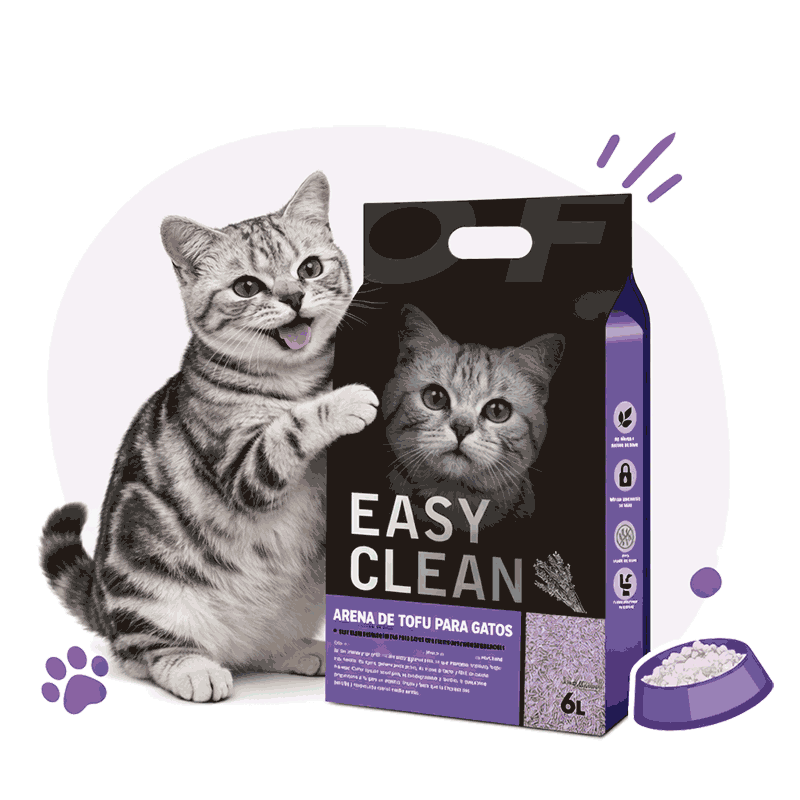
| Plant-oriented option | Tofu or cassava litter | Lightweight handling and plant-based positioning | Differentiated choice for selected households |
| Premium mineral option | Refined mineral particles | Presentation and specialty-channel positioning | Higher-tier shelf or specialty assortment |
| Small-pet complement | Wood bedding or bathing sand | Care needs for hamsters, rabbits, or chinchillas | Cross-category basket building |
| Private-label format | Approved product in custom packaging | Brand control and market-specific labeling | Retailer-owned range development |
1. Build the Assortment Around Customer Problems
1.1 The Everyday Core
A core SKU should be easy for store staff to explain and easy for shoppers to compare. Buyers can define the core around the material, particle feel, cleaning routine, package size, fragrance direction, and expected replenishment pattern. The purpose is not to claim that one product suits every cat, but to give the store a dependable starting point for common household needs.
1.2 The Differentiated Plant-Based Choice
A plant-based SKU can serve shoppers who prioritize plant materials, lightweight handling, low dust, or a different waste-management routine. The product page and shelf label should clearly describe the applicable material, package, use instructions, storage requirements, and any limitations. Clear positioning helps prevent plant-based and mineral products from being compared only by a single price-per-bag figure.
1.3 The Complementary Small-Pet Category
Wood bedding and bathing sand can extend a pet retailer’s assortment beyond cats. These products should be merchandised as separate categories with their own species, material, storage, and use information. Keeping the categories separate makes the range easier to navigate and reduces the risk of applying cat-litter claims to small-pet products.
2. Match Products to Sales Channels and Use Cases
| Channel or use case | Recommended assortment role | Questions before listing or ordering |
| Neighborhood pet store | One core litter plus one differentiated plant-based option | Which package sizes and fragrance choices fit the shelf and local shoppers? |
| Pet-store chain | Tiered range by material, package, and price position | Can staff explain the role of each SKU without overlap? |
| Multi-cat household | High-consumption format with practical cleaning and replenishment | Which package and storage plan reduce repeated purchasing friction? |
| Cattery or breeding facility | Bulk or large-format supply with a clear receiving process | What sample, inspection, and replenishment records are needed? |
| Private-label importer | Approved product matched to market-specific packaging | Which artwork, language, label, documents, and sample control the order? |
| Small-pet retailer | Separate wood-bedding and bathing-sand complement | Which species, package, and care instructions must be shown? |
3. Plan Packaging and Shelf Communication
3.1 Package Size as a Merchandising Tool
Different packages can serve different moments in the buying journey. Smaller bags may be suitable for first trials, apartments, or shoppers who carry products home. Larger bags or bulk formats may suit multi-cat households, catteries, breeding facilities, and repacking buyers. Before ordering, confirm net weight, package dimensions, handle design, seal, outer carton, pallet or container plan, and storage conditions.
3.2 Fragrance and Label Clarity
Fragrance can influence shopper choice, but it should not replace clear product information. List the fragrance direction, material type, intended use, storage advice, and any applicable disposal or flushing instructions according to the selected SKU. Unscented options can serve households that prefer a neutral product experience.
3.3 Private-Label Packaging
A private-label cat litter packaging project should connect the approved product with the final bag or carton. Confirm the logo, language, net weight, barcode, lot marking, artwork, sealing, and inspection reference together. Customer-supplied packaging or customized bags may require separate confirmation of material, delivery, filling, and finished-package checks.
4. Build a Sample-to-Bulk Purchasing Workflow
- Define the target channel, shopper, material direction, package size, fragrance, and expected use case.
- Request the applicable product specification, document set, package dimensions, and sample information.
- Evaluate the sample for particle appearance, handling, odor direction, package condition, and the relevant use experience.
- Approve the product and final packaging together, recording the version of artwork and label information.
- Confirm quotation, MOQ, lead time, freight basis, inspection method, storage, and arrival requirements in the commercial documents.
- Retain the approved sample and records for comparison when the bulk shipment arrives.
5. Three Assortment Mistakes to Avoid
Mistake 1: Listing Every SKU with the Same Promise
If every product is presented as the best choice for every cat, shoppers and store staff cannot understand the difference. Give each SKU a defined role based on material, use case, package, or channel.
Mistake 2: Comparing Products Only by Bag Price
Bag price alone does not explain package weight, use frequency, storage, transport, customer expectations, or replenishment needs. Compare the commercial role and total purchasing conditions of each SKU.
Mistake 3: Approving the Product but Not the Final Package
A product sample can be acceptable while the final package has a different net weight, artwork, label, seal, or barcode. Keep product approval and packaging approval in the same order record.
6. Care, Storage, and Merchandising Notes
Cat litter and small-pet bedding should be stored according to the applicable product instructions, generally with protection from prolonged moisture, direct sunlight, package damage, and contamination. Retailers should keep product information visible and avoid mixing different materials under one storage or shelf label. The selected SKU’s current label and specification should control shelf-life and storage statements.
6.1 Retail Review Checklist
- Is the product material clearly stated on the package and product page?
- Can the shopper understand the intended use case and package size?
- Are storage, disposal, and any limitations communicated accurately?
- Can staff distinguish the core, differentiated, premium, and complementary roles?
- Are batch, package, and receiving records available for commercial review?
7. Frequently Asked Questions
Q1: What does an Emily multi-material cat litter assortment mean?
A: It is a planned range that gives different products distinct roles by material, shopper need, channel, package, or use case instead of treating every SKU as interchangeable.
Q2: Why include more than one material in a store range?
A: Different shoppers may prioritize familiar mineral handling, plant-based positioning, package weight, cleaning routine, or specialty use. A structured range helps the store serve these different purchase reasons.
Q3: What should a distributor confirm before building the range?
A: Confirm the product type, target channel, package formats, current specifications, sample process, documents, commercial terms, storage, shipment basis, and arrival-inspection requirements for each SKU.
Q4: How should private-label packaging be approved?
A: Approve the product and final package together. Check logo, language, net weight, barcode, lot marking, artwork, sealing, and the reference sample or specification used for bulk production.
Q5: Can small-pet bedding be listed together with cat litter?
A: It can be offered as a complementary category, but the product information, species, material, storage, and care instructions should remain clearly separated from cat-litter information.
Q6: How can a store reduce overlap between similar SKUs?
A: Give each SKU a defined role, such as core mineral, plant-oriented, premium, bulk-use, private-label, or small-pet complement, and use consistent shelf and product-page descriptions.
Q7: What records help manage a recurring supply program?
A: Keep approved samples, specifications, packaging files, quotations, commercial terms, lot information, receiving checks, and feedback records together so future shipments can be compared consistently.
Conclusion: Turn Product Variety into a Clear Buying System
A well-planned Emily multi-material cat litter assortment is not simply a list of products. It is a buying system that connects materials, shoppers, channels, package formats, sample approval, storage, and replenishment. Mineral, plant-based, premium, private-label, and small-pet categories can each have a clear role when the buyer defines the intended customer and commercial use before ordering.
For distributors, pet stores, importers, and private-label brands, the next step is to map the target channel, select the relevant product roles, approve representative samples, and confirm the final package and commercial documents for each SKU.