Meta description: Best cat litter compared: bentonite vs tofu vs mixed on clumping, dust and odor control. A 2026 buyer guide with picks for multi-cat, small-home and budget.
Primary keyword: best cat litter
Key Takeaways
- Three litter types hold 90%+ of the market: bentonite (clay), tofu, and mixed litter — everything else is niche.
- Bentonite cat litter wins on instinct: 90%+ of cats accept it, it clumps hard and fast, but it is dusty, heavy and not flushable (20–35 RMB / 5 kg).
- Tofu cat litter is flushable and near dust-free, safer for airways, but clumps softer and costs more (30–50 RMB / 6 L); keep it sealed in humid seasons to avoid mold.
- Mixed (bentonite + tofu) is the fastest-growing category and the most forgiving pick for first-time owners: hard clumps, low dust, partly flushable.
- Match litter to your home: multi-cat = mixed or premium bentonite; small apartment/rental = tofu; beginner = mixed; tight budget = bentonite + deodorizing beads (under 15 RMB/month).
- Avoid three traps: scented litter (a cat’s nose is ~14x sharper than ours), litter that fails a clump test, and dusty litter that harms feline airways over time.
- Scoop 1–2x daily and fully replace weekly — even flushable tofu litter — to prevent bacteria and urinary infections.
Best Cat Litter Comparison Table 2026
| Litter Type | Typical Price | Clumping | Dust | Flushable | Best For |
| Bentonite (clay) | 20–35 RMB / 5 kg | Hard, fast | Higher | No | Multi-cat homes, instinct-first cats |
| Tofu (plant fiber) | 30–50 RMB / 6 L | Softer | Very low | Yes | Small apartments, rentals, eco-minded owners |
| Mixed (bentonite+tofu) | Mid-range | Hard | Low | Partly | First-time owners, all-round use |
| Crystal (silica gel) | Varies | None (absorbs) | Low | No | Niche; low cat acceptance |
| Pine (wood pellet) | Low–mid | Breaks to powder | Low | No | Niche; needs a sifting double tray |
The Three Cat Litter Types That Dominate the Market
Cat litter is not a case of pricier equals better. The single metric that matters is acceptance: a litter your cat refuses is useless, no matter how premium. Here is how bentonite, tofu and mixed litter actually differ.
Bentonite (Clay) Cat Litter: A Cat’s Instinctive Choice
Bentonite granules are the closest thing to natural sand, so 90%+ of cats accept it on instinct. It clumps fast and tight, and scooping leaves no crumbly mess. The downsides are real: it is dusty (low-grade clay can irritate feline airways), it is not flushable, and it is heavy — not ideal if you live alone and haul it upstairs. Expect 20–35 RMB / 5 kg for mainstream product.
For a deeper look at clay grades and clumping performance, see this bentonite clumping cat litter buying guide.
Tofu Cat Litter: The Eco-Conscious Owner’s Favorite
Tofu litter is made from plant fibers such as bean pulp and corn starch. It is flushable straight down the toilet, extremely low-dust, and gentler on a cat’s respiratory and urinary systems. The trade-offs: clumps are softer and can crumble, some cats dislike the plant scent, and it costs more — 30–50 RMB / 6 L is the mainstream range. One warning: in humid or rainy seasons tofu litter absorbs moisture and can grow mold, and moldy tofu litter may produce aflatoxin, which is toxic to a cat’s liver. Buy one month at a time and store it sealed.
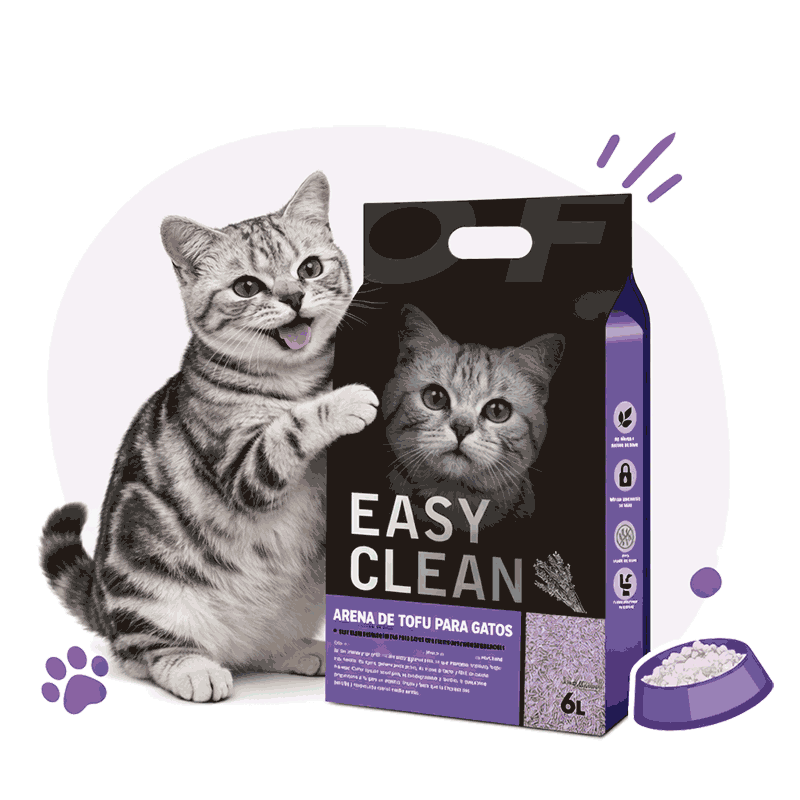
Cat Global’s plant-based tofu cat litter is a good reference point for what low-dust, flushable litter should look like. Flushable plant litter should also meet compostability benchmarks such as the ASTM D6400 biodegradable standard.
Mixed Cat Litter: The Middle-Ground Pick
Mixed litter — usually bentonite blended with tofu — is the fastest-growing category of the last few years. It inherits the best of both: hard clumps, low dust, and it is partly flushable. For first-time owners it has the highest margin for error, keeping cat acceptance high without forcing you to live with clay dust.
If you want an all-round option, an environmentally friendly mixed cat litter is the safest first purchase.
How to Choose the Best Cat Litter by Household
Multi-Cat Homes
Go for mixed litter or high-quality bentonite. More cats means more waste, so clumping speed and odor control are the top priority. Tofu litter gets used up too fast here to be cost-effective.
Small Apartments and Rentals
Choose tofu cat litter. If you can’t tolerate airborne dust and don’t want to carry litter bags downstairs daily, a flushable litter removes half the hassle instantly.
First-Time Cat Owners
Start with mixed litter. Don’t overthink it — buy a well-reviewed mixed brand, let your cat settle in, and reassess after three months.
On a Budget
Pair bentonite with deodorizing beads. Monthly spend can stay under 15 RMB, and the beads cover bentonite’s weaker odor control.
How to Switch Cat Litter Safely
Never swap everything at once. Mix 20% new litter into the old, raise it to 50% every two days, 80% by day five, and 100% by day seven. Cats are highly scent-sensitive, and a sudden switch can make them refuse the box entirely.
Three Mistakes to Avoid When Buying Cat Litter
Skip Scented Cat Litter
Green-tea or lavender scents mask odor for you, but a cat’s sense of smell is about 14x sharper than a human’s, and strong artificial fragrance can make it reject the box. Control odor with activated carbon and frequent scooping, not perfume.
Always Run a Clumping Test
When you get home, pour a little water on a sample. A pass means the clump holds together and doesn’t fall apart when you nudge it.
Check the Dust
If dust visibly rises when you pour the litter, skip it no matter how cheap — dust a cat inhales while digging can cause respiratory disease over time.
On the dust-and-airway point, the Cornell Feline Health Center is a reliable source for how respiratory irritants affect cats.
Cat Litter Care and How Often to Replace It
Scoop waste one to two times a day and do a full litter change plus a box wash every week. Even litter labeled flushable, like tofu, should be fully replaced weekly to stop bacteria building up and triggering urinary infections. Keep the litter bed at least 5 cm deep so your cat can dig and cover naturally.
Frequently Asked Questions
Quick answers to the questions cat owners ask most when picking the best cat litter for their home.
Q1. How often should I change cat litter?
Scoop clumps once or twice a day, and completely replace the litter and wash the box every week. Even flushable tofu cat litter should be fully changed weekly; leftover soiled litter breeds bacteria that can lead to feline urinary infections. Keep the bed at least 5 cm deep between changes.
Q2. Why is my cat suddenly pooping outside the litter tray?
Often it’s the litter. Check first: did you just switch brands? Is the bed deep enough (at least 5 cm)? Is the box too dirty? If all of that is fine, rule out a urinary problem or stress and see a vet. A sudden litter change is one of the most common triggers for box refusal.
Q3. Can you or your cat be allergic to cat litter?
Yes. Dust is the usual culprit. Low-grade bentonite throws fine dust that can irritate a cat’s airways and bother sensitive people. If anyone in the home reacts, switch to a very low-dust option such as tofu or a quality mixed litter, and run a dust check before buying.
Q4. Is cat litter toxic to cats?
Good-quality litter isn’t, but two risks exist. Heavy dust can cause long-term respiratory problems, and tofu litter that has gone moldy in humid weather can produce aflatoxin, which is toxic to a cat’s liver. Store tofu litter sealed, buy a month at a time, and discard any that smells or looks off.
Q5. Can tofu cat litter be flushed down the toilet?
Yes — flushability is tofu litter’s main selling point, since it’s made from plant fibers that break down in water. Flush small amounts at a time to protect your plumbing. Bentonite clay litter must never be flushed; treat it as regular household waste.
Q6. Why is cat litter so expensive?
Price tracks material and processing. Tofu litter (30–50 RMB / 6 L) costs more than bentonite (20–35 RMB / 5 kg) because plant-fiber processing and flushability add cost. If budget is tight, bentonite plus deodorizing beads keeps monthly spend under about 15 RMB.
Q7. How is crystal (silica) cat litter made, and is it worth buying?
Crystal litter is made from silica gel beads that absorb moisture instead of clumping, so the whole tray must be replaced periodically. Cat acceptance is lower and it isn’t flushable. Pine (wood pellet) litter needs a double sifting tray and crumbles to powder when wet. Both are niche picks we don’t recommend for beginners.